Ziaja
MPV™ · Module Personalized Video
MPV™ is Module Personalized Video for online video advertising (OLV). For each audience segment we change the hero, the situation and the trigger — the moment that makes the product relevant — not just the caption.
Choose an audience and see how the hero, trigger, product and ending change.



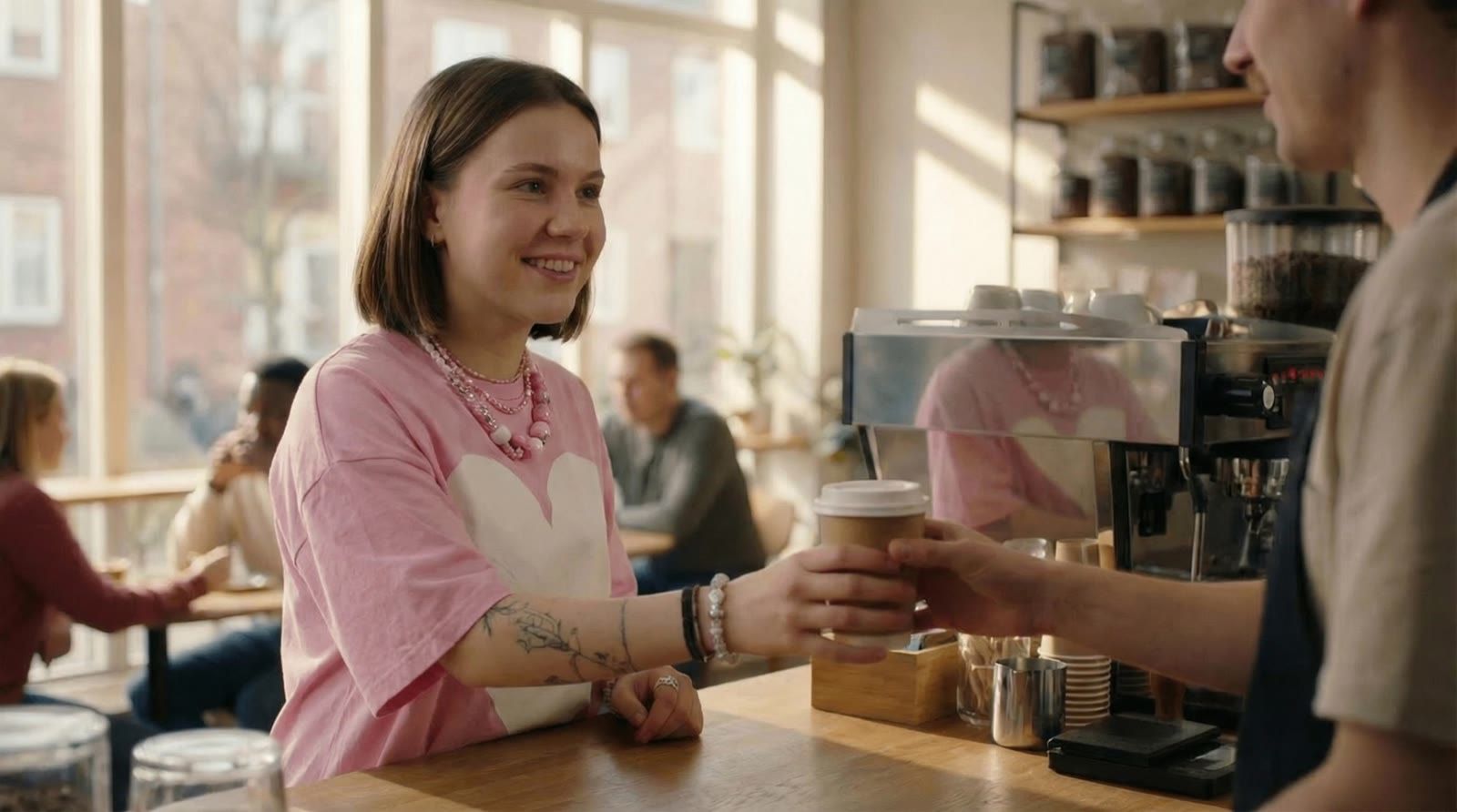
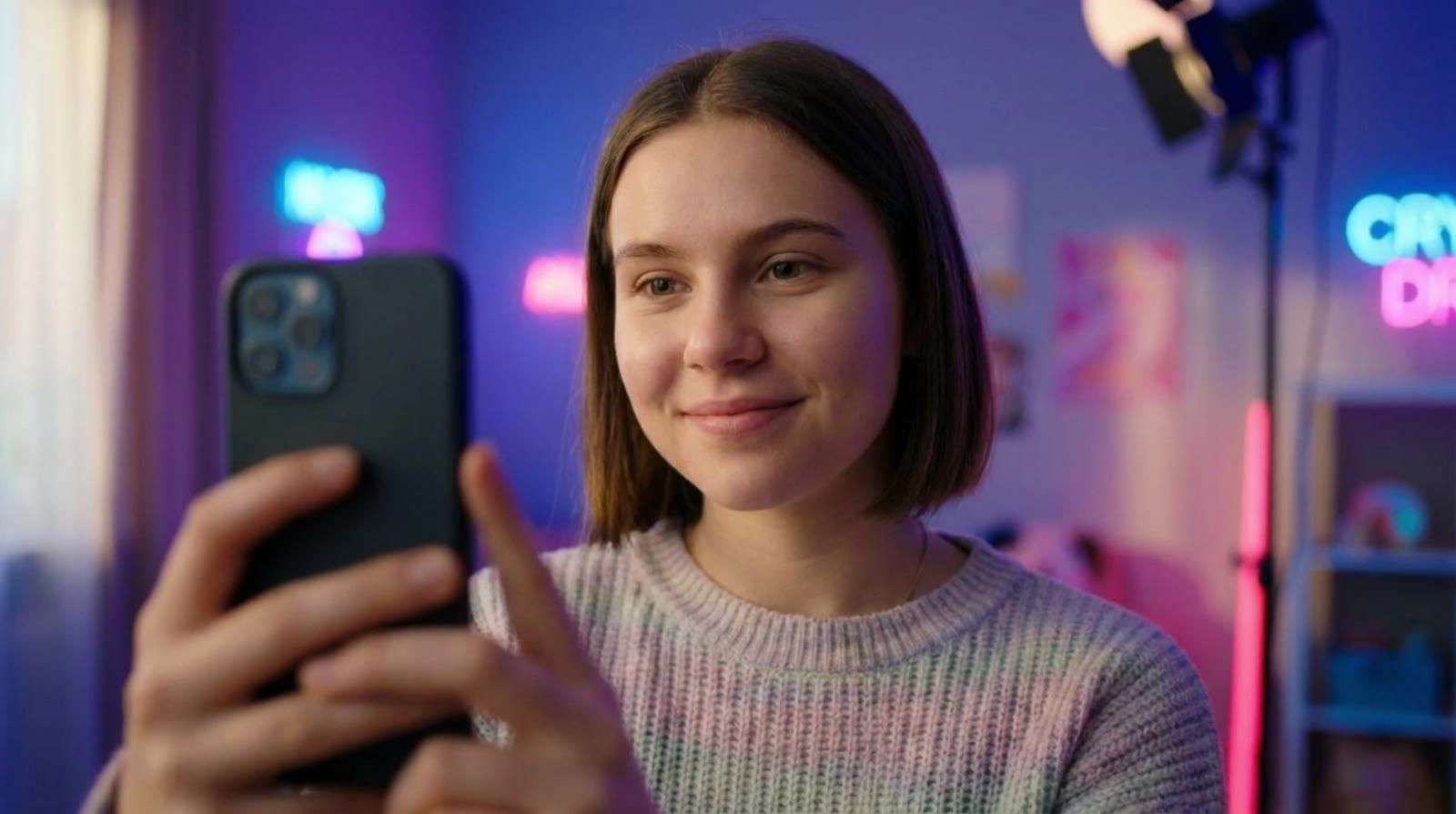

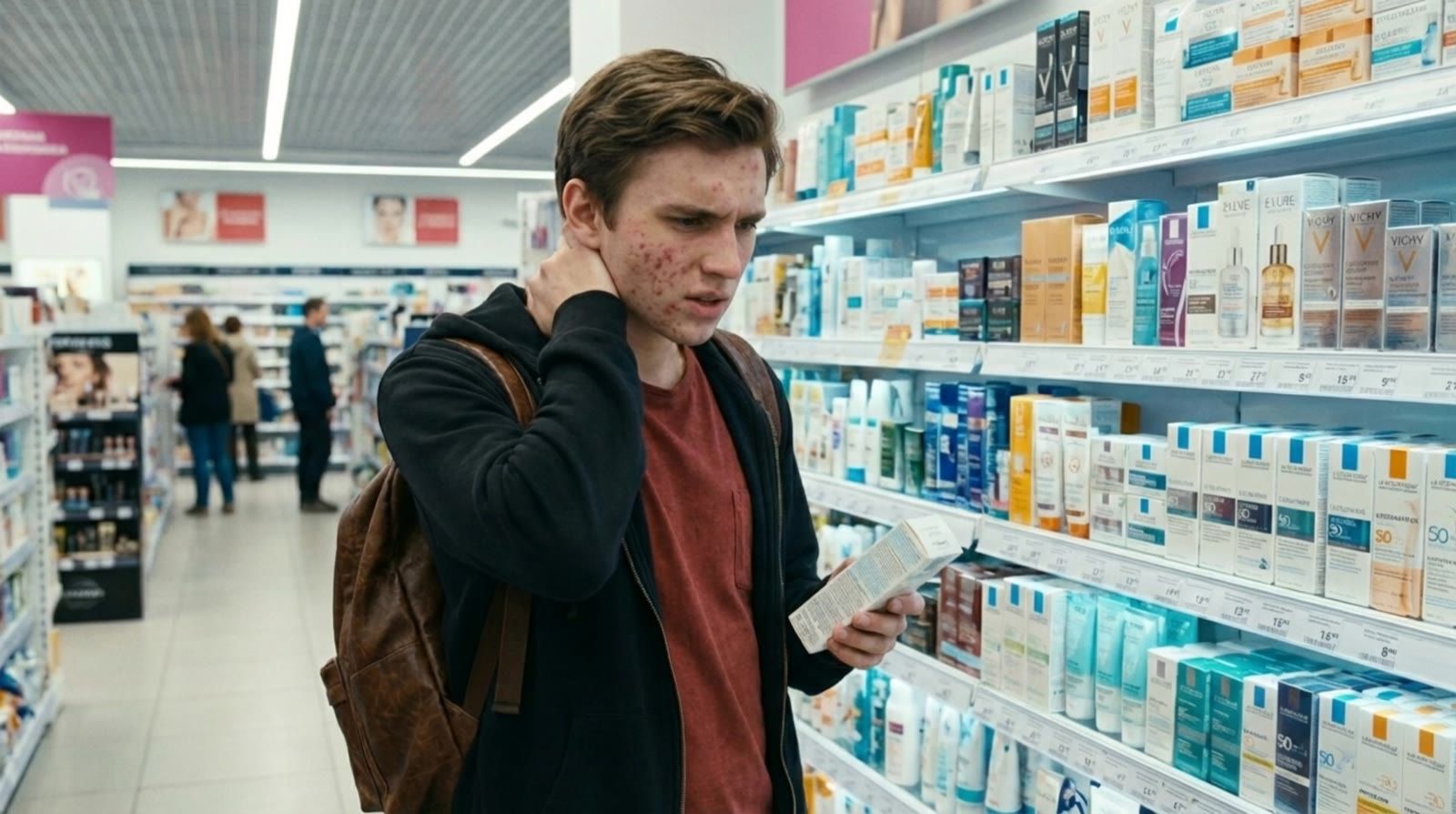


Demo illustration of the MPV approach — not a client campaign.
One product — different life scenarios. What changes:
Who the viewer recognises themselves in, and where the story happens.
The moment and the problem that make the product relevant right now.
The path to the solution: the product in action, within the brand's visual identity.
How the hero's day changes after the product.
6 segments × 2 variations = 12 videos + universal videos
Material for testing, control of creative fatigue and room for optimisation.
MPV = production + media logic + optimisation. Who does what is set out below.
We split the cycle into areas so that expectations are clear from the start of the pilot.
Results depend on the budget, traffic and data available. The split is confirmed at the start of the pilot.
With enough traffic, the first signals usually appear within 5–10 days. This is a guideline for the initial data collection, not a guaranteed time to results. CTR, VTR, engagement and, where applicable, CPA/CPL are examples of metrics; the KPI list is agreed at the start of the pilot.
This turns creative from a hypothesis into a manageable tool.
MPV does not mean a chaos of variations. Personalisation happens within the brand framework.
Standard personalization changes only the caption or overlay, so the viewer sees the same video. In MPV the scenario changes: the hero and situation, the context and trigger, the path to the product.
An MPV video is assembled from four modules: hero and situation, context or trigger, product, and state after. For a variation we can change just one module.
A typical logic is 6 segments × 2 variations = 12 videos plus universal videos for performance comparison. We agree the structure with you for your media plan.
As a guideline, 5–10 days of initial data collection, provided there is enough traffic — it is not a guaranteed time to results. CTR, VTR, engagement and, where applicable, CPA/CPL are examples of metrics; the KPI list is agreed at the start of the pilot.
Both. Brands get depth of contact and material for future campaigns; agencies and DSPs get more signals for the algorithm, controlled segment logic and transparent decisions. MPV works best together with direct programmatic.
We calculate the cost for your segments and media plan. You can start with a pilot and move toward a scalable model.
The cost is calculated for your segments and media plan.
We will align the segments, approve the module architecture and launch a pilot — then scale the scenarios that work.